
Creating the artwork is one thing. Turning your creativity into something people want to buy is another.
Whether you’re just beginning to sell your work or you’re an established artist looking to increase sales, there are more opportunities than ever to get your art in front of potential customers. From original pieces and limited-edition prints to art fairs, galleries and online shops, the key is finding the right mix for you.
At The Good Art Studio, we work with artists every day, helping them transform original artwork into professional, sale-ready products. Here are some of the ways you can start turning your creativity into a successful art business.
1. Don’t Rely on Selling Originals Alone
Original artwork will often be the most valuable part of your collection, but once an original is sold, it’s gone.
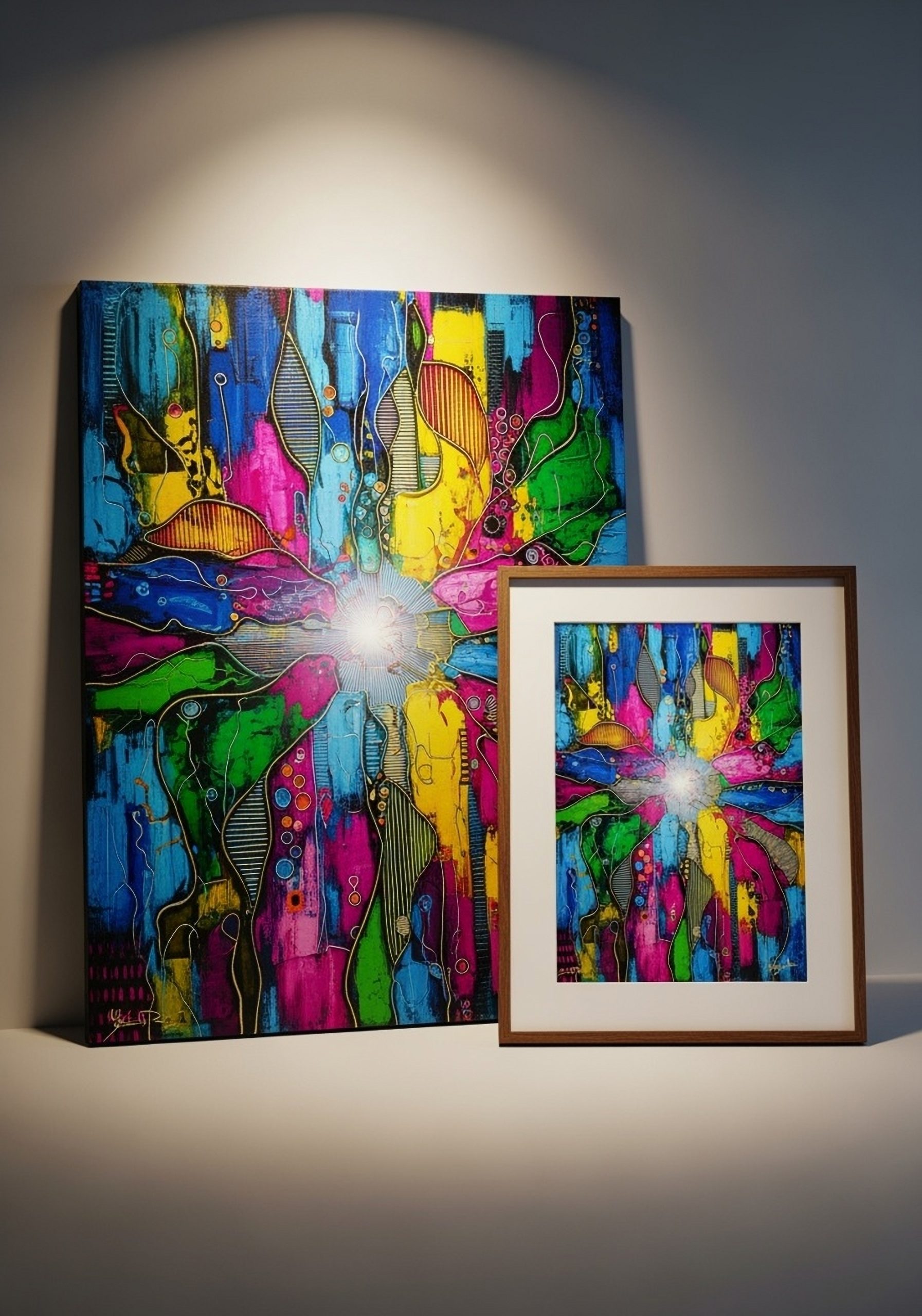
Creating high-quality reproductions allows one piece of artwork to continue generating income long after the original has found a new home.
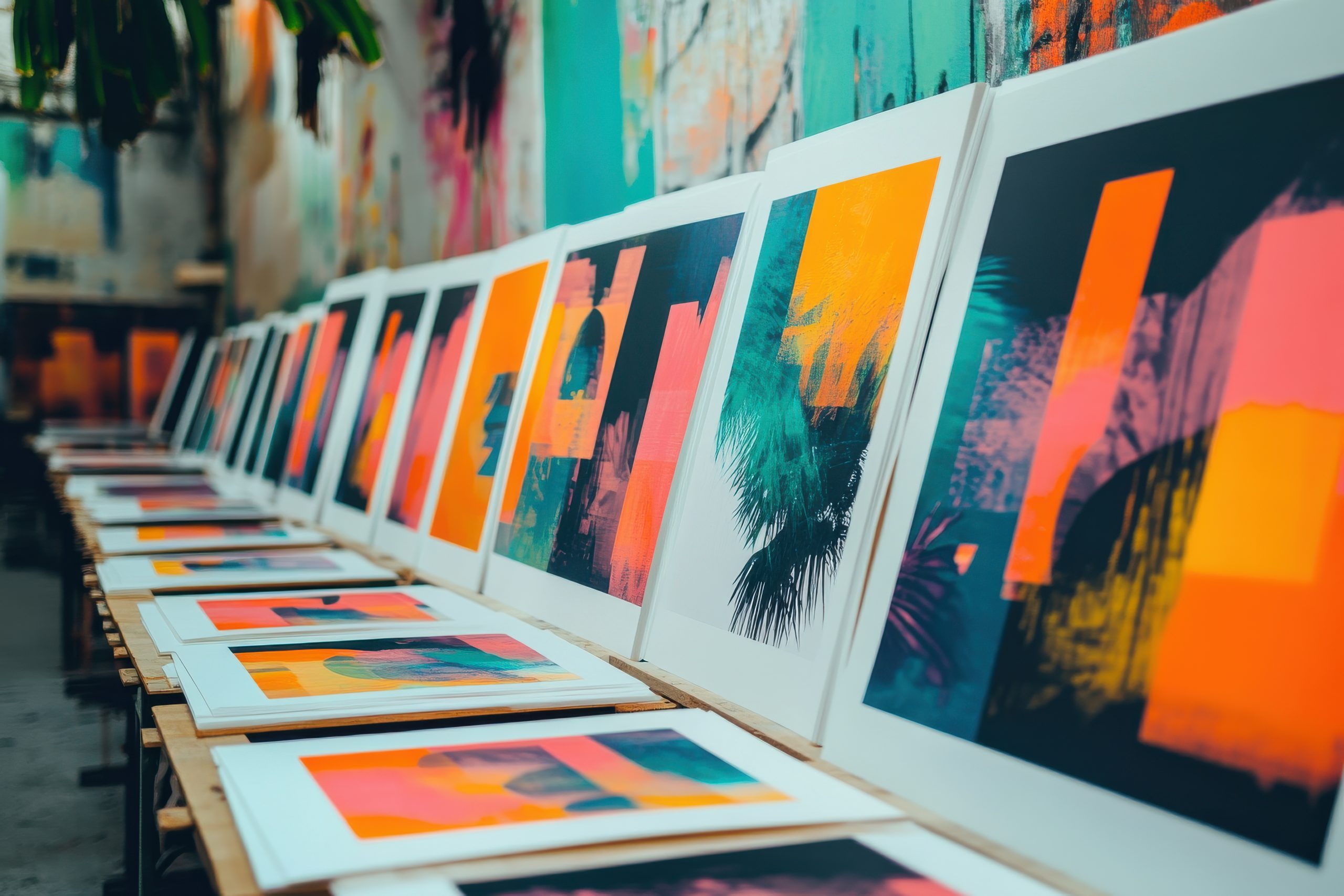
Professional Giclée prints are particularly suited to reproducing fine art. With excellent colour accuracy, fine detail and archival-quality materials, you can create prints that retain the character of your original work.
Consider offering a selection of sizes and price points. Someone who isn’t ready to spend hundreds of pounds on an original may happily purchase a £30, £50 or £100 print.
2. Get Your Artwork Professionally Scanned
A great art print starts with a great digital file.
Professional artwork scanning captures the colour, detail, texture and tonal range of your original far more accurately than simply taking a quick photograph.
Once your artwork has been professionally digitised, that file becomes an incredibly useful asset. You can use it to create prints, cards, calendars and promotional materials, as well as for your website, social media and portfolio.
It also creates a high-resolution digital archive of your work.
3. Offer Different Products
Not every customer is looking for a framed original or limited-edition print.
Turning your artwork into a range of products can make it accessible to a much wider audience.
Greetings cards, postcards, calendars, posters and smaller prints can all provide more affordable ways for people to buy your work.
Calendars are particularly effective in the run-up to Christmas. They allow you to showcase 12 pieces of artwork or photography in one product and can be ideal for Christmas markets, art fairs, exhibitions and online sales.
One piece of artwork doesn’t have to become one product.
4. Make Your Prints Feel Special
Presentation matters.
Think about the experience your customer has when they receive your artwork. Quality paper, careful packaging, professional mounting or framing and a Certificate of Authenticity can all increase the perceived value of a piece.
For limited-edition prints, consider individually numbering and signing each print.
It’s these small details that can turn a print into something a customer feels proud to own.
5. Sell at Art Fairs, Markets and Exhibitions
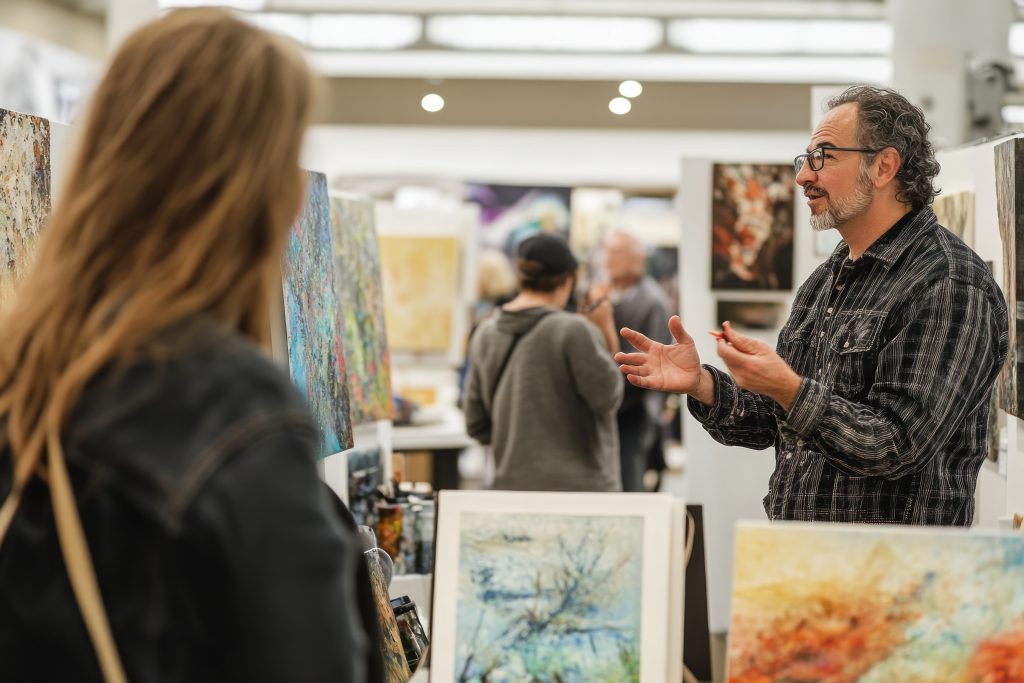
Selling online is important, but there’s still enormous value in meeting customers face-to-face.
Art fairs, open studios, exhibitions and Christmas markets give people the opportunity to see the quality, texture and colour of your work in person.
Make sure you offer different price points. You might have originals and framed pieces as your premium products, supported by smaller prints, cards or calendars that make it easier for someone to make their first purchase.
Even if someone doesn’t buy on the day, give them a reason to find you afterwards. Display your website and social media details clearly and consider collecting email addresses from people who want to hear about new work.
6. Build an Online Presence
Your website should make buying your artwork easy.
Use good-quality images, clearly display sizes and prices, and tell customers a little about the inspiration or story behind each piece.
Social media can then help bring people to your website.
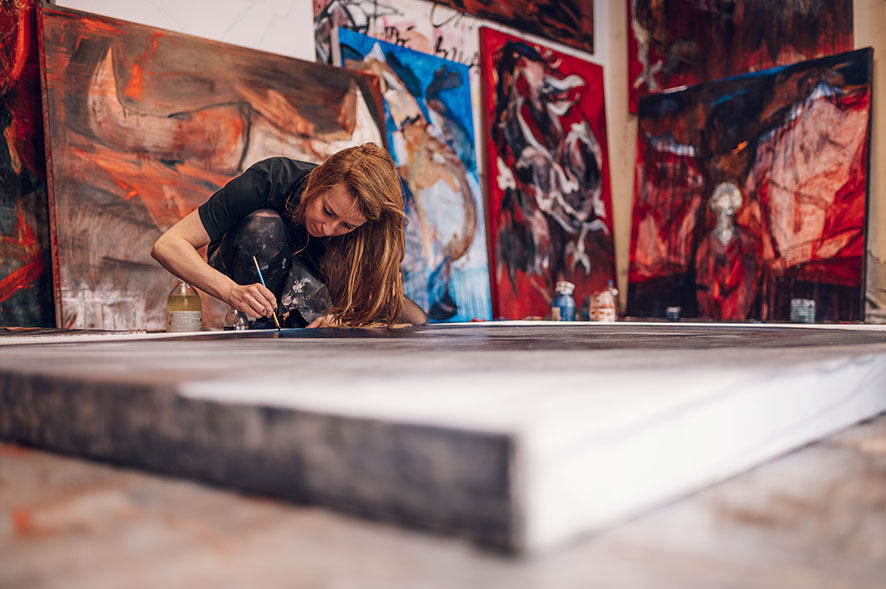
Don’t only post finished artwork. Show people your process, your studio, work in progress, exhibitions, packaging orders and the story behind individual pieces.
People don’t simply buy a picture — they often buy into the artist and the story behind the work.
7. Tell the Story Behind Your Art
Why did you create the piece?
Where is the landscape? What inspired the colours? What does the subject mean to you?
A story creates an emotional connection and gives customers something they can share when someone asks about the artwork hanging in their home.
Instead of simply posting:
“New painting available.”
Try telling people what inspired it, how it developed and what you wanted to capture.
8. Price Your Work Consistently
Pricing artwork can be difficult, particularly when you’re starting out.
Your prices need to account for more than the cost of paper and printing. Consider your time, materials, scanning, printing, framing, packaging, selling fees, exhibition costs and the profit you need to make.
Most importantly, try to keep your pricing consistent.
A print shouldn’t be £75 at an exhibition, £55 on your website and £40 through social media. Consistent pricing builds confidence in the value of your work.
9. Create Limited Editions
Limited-edition prints can help create exclusivity around particular pieces.
Instead of offering unlimited reproductions, you could produce an edition of 25, 50 or 100 prints.
Each can be individually numbered and signed, with the edition size clearly stated.
Adding a Certificate of Authenticity can further reinforce the provenance and professional presentation of the work.
10. Think About the Finished Piece
Sometimes customers struggle to visualise what an unframed print will look like in their home.
Offering professionally framed versions can remove that barrier.
A beautifully printed and framed piece is ready to hang and can command a higher selling price than an unframed print alone.
If you’re exhibiting your work, framing also gives customers an immediate impression of how the finished artwork could look in their own space.
Turn Your Artwork Into Something People Can Buy
There isn’t one perfect way to sell art.
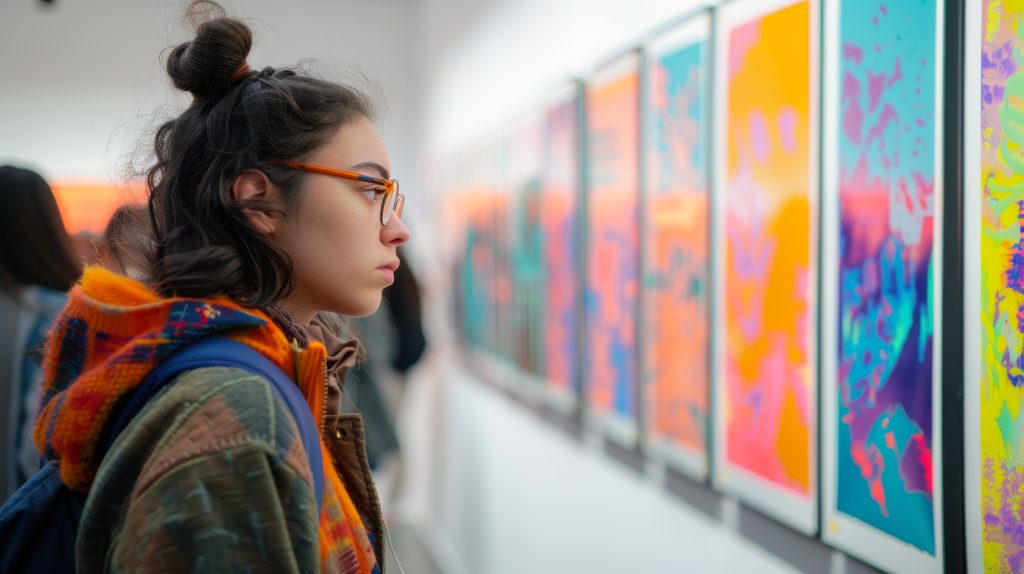
For many artists, the strongest approach is a combination of originals, professional prints, affordable products, exhibitions, art fairs, online sales and social media.
The important thing is to make it easy for people to discover your work, connect with it and ultimately buy it.
At The Good Art Studio, we help artists take their work from the original piece to a finished product that’s ready to sell.
From professional artwork scanning and Giclée printing to framing, greetings cards, postcards, calendars and Certificates of Authenticity, we can help you create a professional range without losing what makes your artwork unique.
If you’re thinking about selling prints of your artwork or expanding your existing range, we’d love to help.
Your art. Professionally reproduced. Ready to sell.
🌐 www.goodartstudio.co.uk
📧 hello@goodartstudio.co.uk
📞 01446 688424